New scorecard allows manufacturers to assess the benefits of AI before implementing
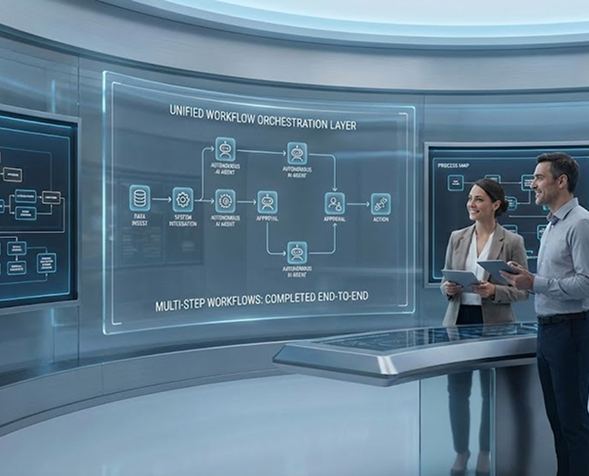
Stage 2 is where operational AI shifts from information preparation to active workflow execution within a defined system. With reliable data in place, Workflow AI Agents now handle multi-step processes, apply predefined logic, and make routine decisions inside a single platform such as ERP, CRM, EMR, or SIS.
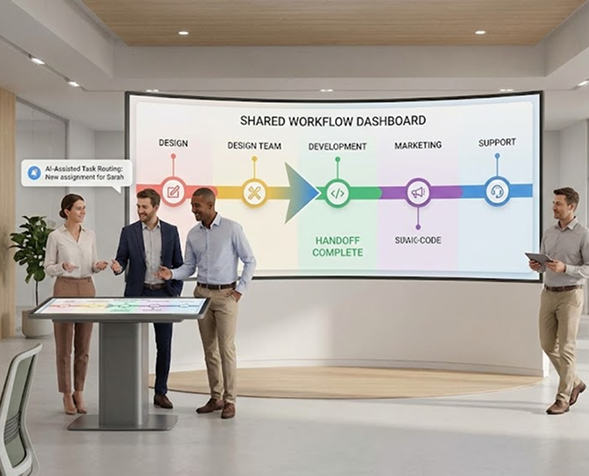
AI can approve low-risk actions, route tasks, escalate exceptions, and move workflows forward without constant human follow-up. Cross-system orchestration is not yet the focus. At this stage, intelligence operates within system boundaries.
This stage doesn’t replace people. It ensures their work flows smoothly and systems talk to each other reliably.
What Stage 2 Looks Like In Practice
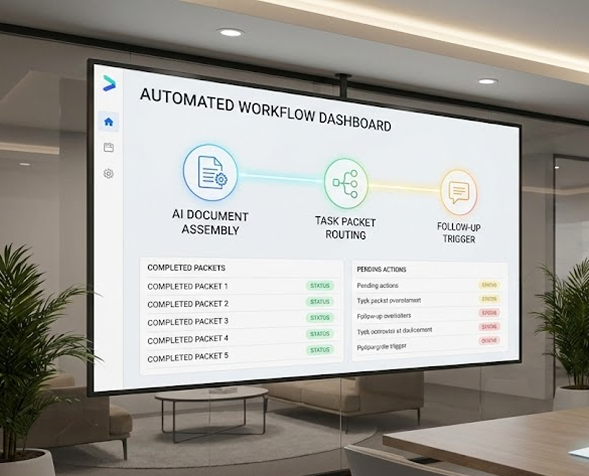
AI handles tasks that require gathering information, validating it against rules, preparing outputs, and triggering the next steps inside a structured workflow.
Workflow AI Agents evaluate conditions, apply thresholds, and choose actions within defined guardrails. Humans oversee outcomes and manage exceptions, but routine operational decisions are automated.
At this stage, your teams are no longer the bottleneck. AI moves the work forward with minimal handholding.
What Stage 2 Looks Like In Practice
At Stage 2, AI moves beyond assistance and begins making decisions within a defined system.
Workflow AI Agents gather inputs, validate information, apply rules, and trigger the next step automatically — inside ERP, CRM, EMR, SIS, or another single platform.
AI now evaluates conditions and acts within guardrails.
At this stage, your teams are no longer the bottleneck. AI moves the work forward with minimal handholding.
What AI Delivers at This Stage
At Stage 2, AI moves beyond assistance and begins executing workflows inside one system. Workflow AI Agents track progress, apply business logic, trigger next steps, and ensure processes move forward correctly. Routine decisions such as routing, approvals within thresholds, and escalation are automated. Humans focus on oversight and exception handling.
AI agents execute multi-step workflows and make routine decisions inside one system.
Humans oversee results and manage exceptions.
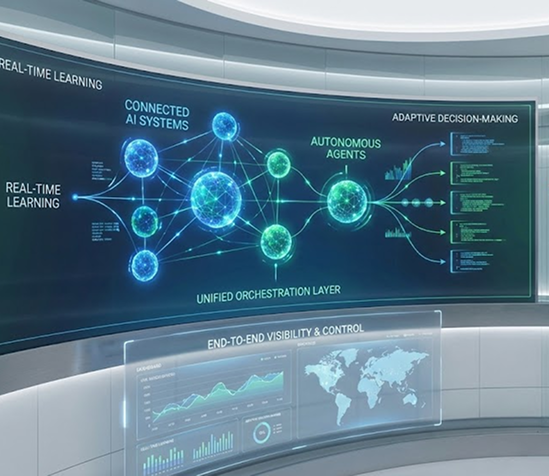
Cross-system orchestration is introduced at Stage 3.
Process Automation Triggered by Events, Statuses, or Inputs
Workflow AI Agents initiate actions automatically when conditions are met.
Respond to events, form submissions, system updates, or status changes
Trigger the next step without manual follow-ups
Keep workflows moving without constant human coordination
Workflow Alignment Across ERP, CRM, EMR, SIS, LMS, and Support Tools
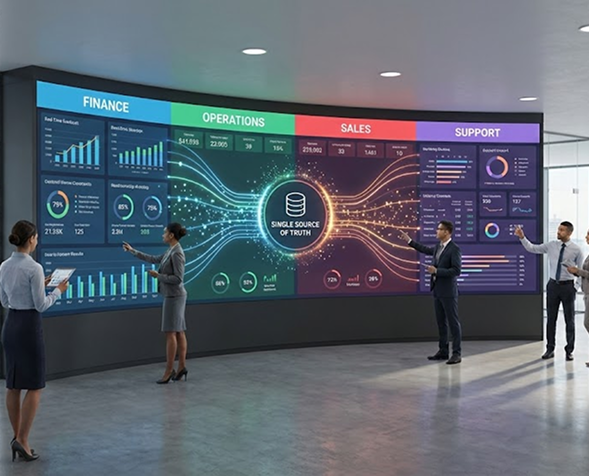
Workflow AI Agents maintain execution consistency within the active system. They ensure records remain accurate, statuses are updated in real time, and workflow states stay synchronized within the platform boundary. Full cross-system orchestration is introduced at Stage 3.
Maintain consistency between records and workflow state
Fishbowl ERP cut daily manual entry from ~12 hrs to under 2 hrs, created a unified data workflow, and accelerated order processing with automated PO imports, syncing, and reconciliation.