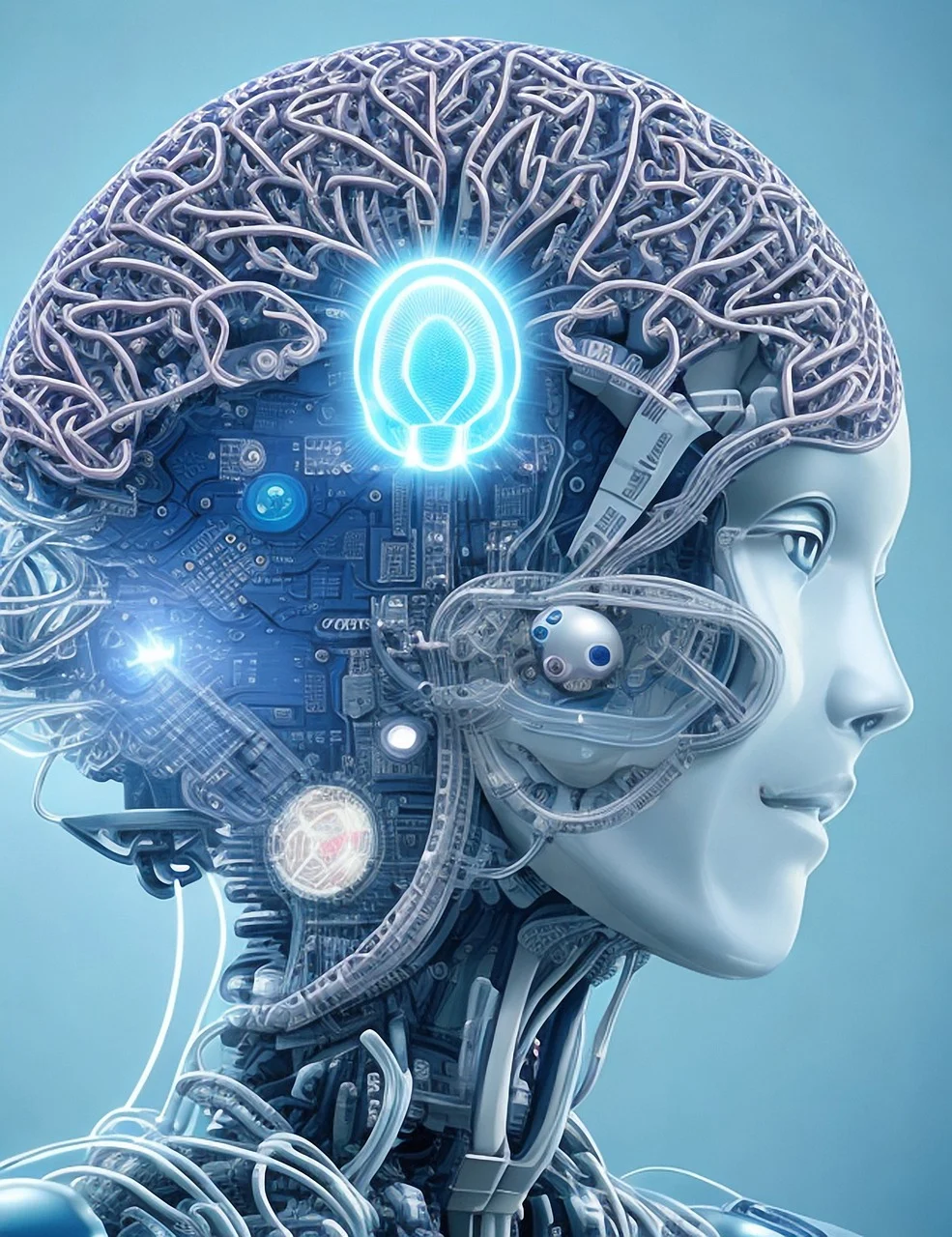

One of the greatest strengths of crowdsourcing is its ability to generate vast amounts of data from a wide range of contributors. Whether it’s for self-driving cars, healthcare innovation, legal, or language processing, crowdsourcing allows businesses to gather diverse datasets that reflect real-world scenarios. These datasets evolve in real-time, ensuring AI remains up-to-date and relevant in a constantly changing world.
With crowdsourcing, companies can continuously improve their AI models by tapping into a never-ending flow of fresh, diverse data, making the AI smarter and more versatile.
Crowdsourcing isn’t just about quantity; it’s about quality. It gives AI systems direct access to experts with deep knowledge in specific fields. This means AI can be trained with accurate, high-quality insights from professionals who truly understand complex areas like healthcare, cybersecurity, or finance. This improves AI’s ability to tackle specialized challenges and make more informed decisions.

Speed, Scalability, and Real-Time Responses
Crowdsourcing accelerates AI development. With contributors across the globe working around the clock, data is collected and processed faster than traditional methods allow. AI models can be updated in real-time, ensuring they stay ahead of the curve and continuously improve. The scalability of crowdsourcing allows for high-volume responses in real-time, helping AI systems meet the demands of a fast-moving world.
This speed and scalability are especially valuable in industries that require constant adaptation—such as disaster prediction, healthcare, and financial markets.

Thanks to crowdsourcing, AI development is no longer limited to a few experts or the Big Tech. By tapping into a global community, AI systems are becoming smarter, more inclusive, and more effective. Crowdsourcing is helping to democratize AI development, making it accessible to everyone and ensuring that it reflects the diverse world we live in.
As businesses and researchers continue to push the boundaries of AI, crowdsourcing will remain a key driver of innovation. This shift from traditional, isolated methods to a more open, collaborative approach is not only changing how we build AI, but also shaping the future of technology on a global scale.
The possibilities for AI are limitless, thanks to the power of crowdsourcing. It’s an exciting time for the industry, and the journey is just beginning.
While AI excels at processing information rapidly, they can encounter challenges when faced with complex queries or situations that require nuanced understanding. This is where the Human-in-the-Loop (HITL) approach becomes essential.
HITL systems integrate human expertise into the AI development process by allowing human contributors to step in when AI models encounter difficulties. This collaborative approach ensures that chatbot systems receive guidance, training, or corrections as needed, enhancing their accuracy and overall effectiveness.
Crowdsourcing plays a crucial role in HITL systems by providing a scalable method for gathering input from human participants. Whether it’s through data classification, offering creative insights, or providing context-specific feedback, crowdsourcing contributes to building AI models that are both reliable and responsive.
This interaction between chatbots, human contributors, and crowdsourcing platforms creates a dynamic feedback loop that continually improves AI systems’ performance and adaptability.
While AI excels at processing large amounts of data quickly, it can struggle with tasks that require deep contextual understanding or nuanced human judgment. This is where the Human-in-the-Loop (HITL) approach becomes essential. HITL integrates human expertise into the AI development process, allowing humans to intervene when AI encounters challenges. This collaboration ensures AI models receive guidance, corrections, and training, which improves their accuracy and effectiveness.
The Role of Crowdsourcing in HITL
Crowdsourcing plays a key role in HITL by providing a scalable way to gather human input. Rather than relying on a few experts, crowdsourcing allows a broad range of participants to contribute. This can include:
Data classification: Labeling ambiguous or subjective data.
Creative insights: Generating new ideas or identifying trends.
Context-specific feedback: Providing insights into cultural, industry, or user-specific contexts.
Crowdsourcing helps build AI models that are both reliable and responsive by continuously offering valuable feedback from diverse contributors.
The HITL Feedback Loop
HITL systems create an ongoing feedback loop where human input improves AI performance. Here’s how it works:
AI Training: Initially, AI is trained on labeled data.
Challenges: When AI encounters difficulties, humans step in to provide feedback.
Human Feedback: Humans offer corrections or additional data.
Model Refinement: AI refines its model based on human input.
Continuous Improvement: As new challenges arise, the cycle repeats, improving the AI system.
This dynamic feedback loop ensures that AI becomes more accurate and adaptable over time.
Real-World Examples of HITL
Customer Support: Chatbots often escalate complex or sensitive queries to human agents who intervene to resolve the issue, enhancing customer satisfaction.
Healthcare AI: AI models for diagnosing diseases are reviewed by medical professionals to ensure accuracy, especially for rare or complex conditions.
Autonomous Vehicles: Human drivers monitor self-driving cars and intervene in tricky situations, ensuring safe navigation.
The Future of HITL
As AI advances, HITL systems will become more essential. By combining AI’s efficiency with human judgment, HITL systems ensure that AI remains accurate, ethical, and adaptable. This collaboration will help shape the future of AI, creating systems that are both powerful and empathetic, capable of handling even the most complex tasks.